


Simplify lifestyle from a gadget
 Android apps make life easier and are easy to understand.
When people use your app for the first time, they should intuitively grasp the
most important features. The design work doesn't stop at the first use, though.
Android apps remove ongoing chores like file management and syncing. Simple
tasks never require complex procedures, and complex tasks are tailored to the
human hand and mind. People of all ages and cultures feel firmly in control,
and are never overwhelmed by too many choices or irrelevant flash.
Android apps make life easier and are easy to understand.
When people use your app for the first time, they should intuitively grasp the
most important features. The design work doesn't stop at the first use, though.
Android apps remove ongoing chores like file management and syncing. Simple
tasks never require complex procedures, and complex tasks are tailored to the
human hand and mind. People of all ages and cultures feel firmly in control,
and are never overwhelmed by too many choices or irrelevant flash.
Beauty is more than skin deep. Android apps are sleek and
aesthetically pleasing on multiple levels. Transitions are fast and clear;
layout and typography are crisp and meaningful. App icons are works of art in
their own right. Just like a well-made tool, your app should strive to combine
beauty, simplicity and purpose to create a magical experience that is
effortless and powerful. So, enjoy this gadget!!
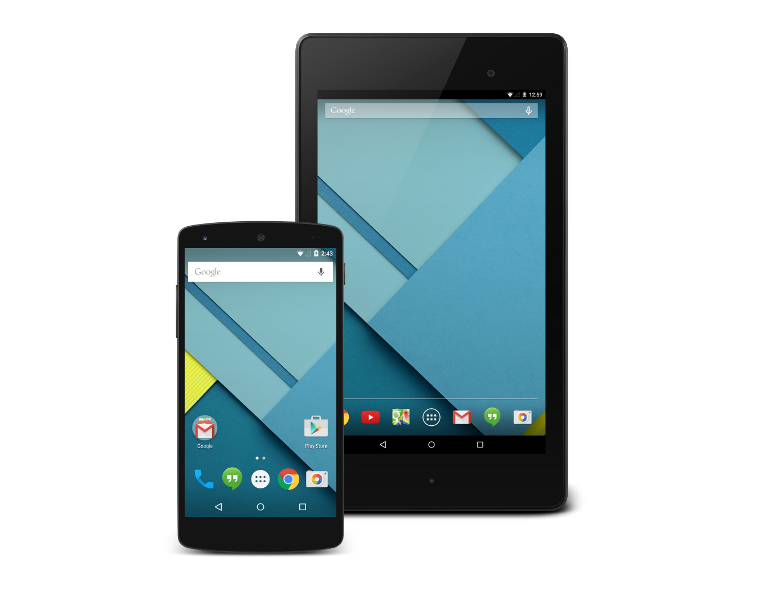 Ice Cream Sandwich (Android 4.0) marks a major milestone for Android design. We touched nearly every pixel of the system as we expanded the new design approaches introduced in Honeycomb tablets to all types of mobile devices. Starting with the most basic elements, we introduced a new font, Roboto, designed for high-resolution displays. Other big changes include framework-level action bars on phones and support for new phones without physical buttons.
source : android developer


